
Accurate Quotes
Get your real price in seconds
Price Lock Guarantee
We lock in your price
Safe, Secure Payments
We accept major credit cards
Shipping a car can be a convenient alternative to driving it across the country. Whether you're moving to another state, buying a vehicle from out of town, sending a car to a family member, or transporting a classic vehicle, auto transport services can help get your vehicle from one location to another.
If you've never shipped a car before, the process may seem complicated. However, understanding your options, preparing your vehicle, and knowing what to expect can make the experience much easier.
In this guide, we'll explain how car shipping works, how much it can cost, how to prepare your vehicle, and what to consider when choosing an auto transport service.
1. Decide How You Want to Ship Your Car
The first step is deciding which type of vehicle transport best fits your needs and budget. Most standard vehicle shipments fall into two main categories: open transport and enclosed transport.
Open Car Transport
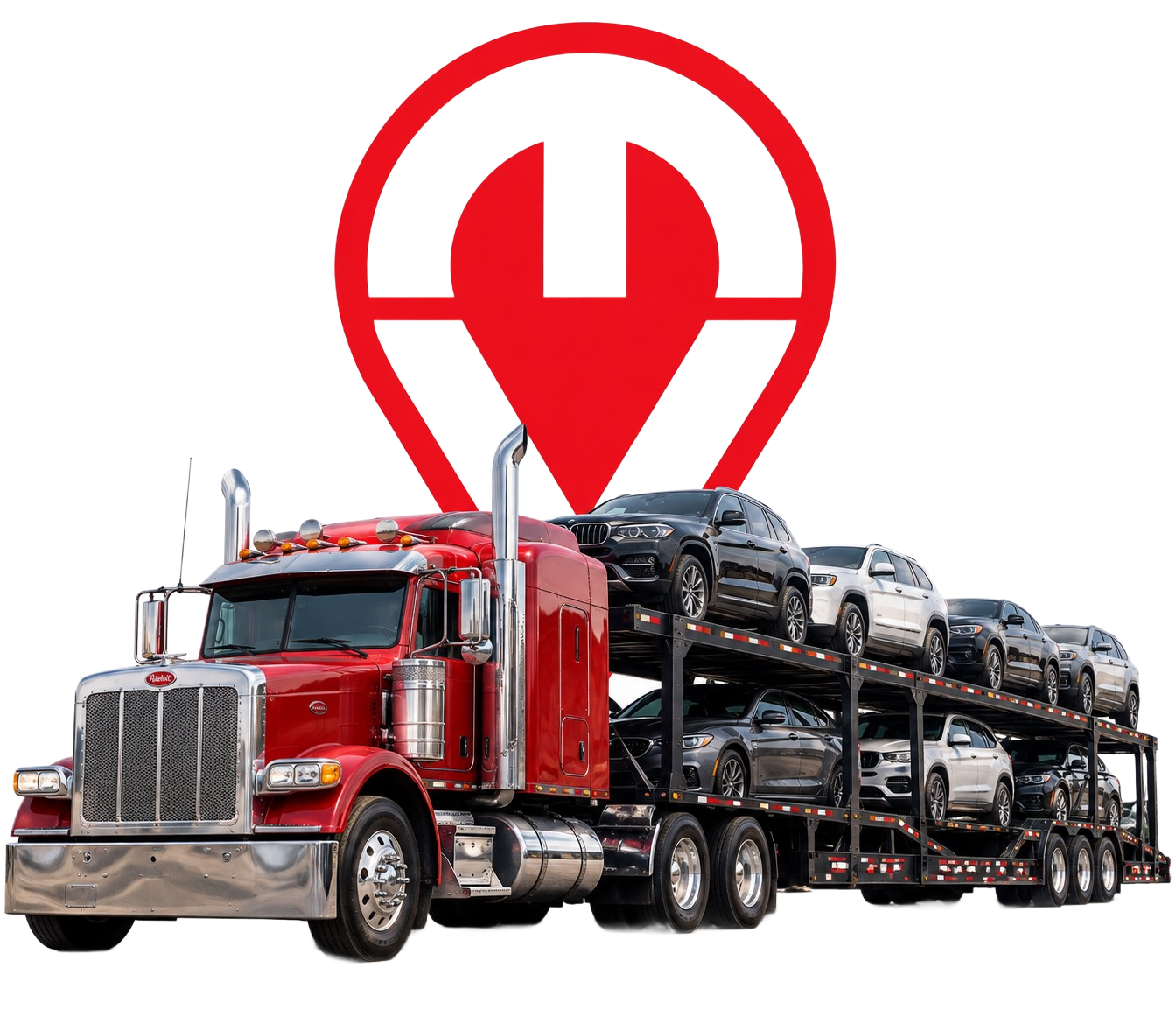
Open transport is the most common method of shipping cars. Vehicles are loaded onto an open trailer, similar to the car carriers used to deliver new vehicles to dealerships.
Advantages of open transport:
- Generally more affordable than enclosed shipping.
- Widely available on popular shipping routes.
- Suitable for most everyday vehicles, including sedans, SUVs, pickup trucks, and minivans.
Because vehicles are exposed to normal weather and road conditions, open transport may not be the preferred choice for certain high-value or collectible vehicles.
Enclosed Car Transport
Enclosed transport involves shipping a vehicle inside a covered trailer. This provides additional protection from weather, road debris, and outside elements.
Enclosed shipping is commonly used for classic cars, exotic vehicles, luxury cars, and other vehicles that require extra care.
Advantages of enclosed transport:
- Additional protection from weather and road debris.
- Often preferred for collectible and high-value vehicles.
- May provide specialized handling for certain vehicles.
Enclosed transport typically costs more than open transport and may have more limited availability.
2. Get a Car Shipping Quote
Once you've decided which transport method you prefer, the next step is obtaining a quote.
Several factors influence the cost of shipping a car, including:
- Pickup and delivery locations: Longer distances generally increase the total cost, although the price per mile may decrease on longer routes.
- Vehicle size and weight: Larger vehicles, such as full-size trucks and large SUVs, may cost more to transport.
- Transport type: Enclosed shipping generally costs more than open transport.
- Vehicle condition: Inoperable vehicles may require special equipment to load and unload.
- Time of year: Demand, weather, and seasonal travel patterns can affect pricing.
- Pickup flexibility: Flexible pickup dates may provide access to more available carriers.
- Route accessibility: Rural locations and areas with limited carrier traffic can affect pricing and scheduling.
When comparing quotes, make sure you understand what's included in the price, whether the quote is binding or estimated, how payment works, and whether any additional charges could apply.
A significantly lower quote isn't always the best option if it doesn't reflect the actual cost of arranging the shipment.
3. Choose Between Door-to-Door and Terminal-to-Terminal Shipping
Another consideration is where your vehicle will be picked up and delivered.
Door-to-Door Shipping
Door-to-door transport means the carrier picks up and delivers the vehicle as close to your specified addresses as safely and legally possible.
Despite the name, a large car carrier may not be able to access every residential street, apartment complex, or neighborhood. Low-hanging trees, narrow roads, parked vehicles, weight restrictions, and local regulations can prevent a truck from reaching a particular address.
If direct access isn't possible, you and the carrier can arrange a nearby meeting location, such as a large parking lot.
Terminal-to-Terminal Shipping
Terminal-to-terminal shipping involves dropping off and collecting your vehicle at designated transport facilities.
Availability varies by provider and location. Depending on the arrangement, terminal storage fees and additional travel to and from the facility may apply.
For many customers, door-to-door transport is more convenient, while terminal shipping may be an option when suitable facilities are available.
4. Book Your Vehicle Shipment
After comparing your options and selecting a provider, you'll need to arrange the shipment.
Be prepared to provide the following information:
- Vehicle year, make, and model.
- Pickup and delivery addresses or ZIP codes.
- Whether the vehicle runs and drives.
- Preferred pickup date or date range.
- Open or enclosed transport preference.
- Any special requirements, such as oversized dimensions or limited vehicle access.
Before agreeing to the shipment, review the written terms carefully. Confirm the quoted price, cancellation policy, payment arrangements, estimated timing, and the responsibilities of each party.
It's also important to understand whether you're working directly with a motor carrier or with an auto transport broker.
A motor carrier physically transports the vehicle. An auto transport broker arranges transportation through a carrier and generally coordinates the shipment between the customer and the carrier. Brokers and carriers have different responsibilities, so knowing which type of provider you're using can help you understand how your shipment will be handled.
5. Prepare Your Car for Transport
Preparing your vehicle before pickup can help reduce delays and make the inspection process easier.
Clean the Vehicle
Wash the exterior before pickup, if practical. A clean vehicle makes it easier to identify existing scratches, dents, paint damage, and other visible conditions during the inspection.
You don't necessarily need to detail the interior, but removing unnecessary items is a good idea.
Remove Personal Belongings
Most auto transport arrangements restrict personal belongings inside vehicles. Extra items can create safety concerns, affect vehicle weight, and complicate insurance coverage.
Remove valuables, loose objects, electronics, toll transponders, and other personal belongings. Ask your provider about any permitted items before loading the vehicle.
Check for Leaks and Mechanical Issues
Notify the transport provider about fluid leaks, mechanical problems, or other conditions that could affect loading and unloading.
If the vehicle doesn't run or drive, make sure this is disclosed when requesting a quote. The carrier may need a winch or specialized loading equipment.
Leave Approximately a Quarter Tank of Fuel
For a running vehicle, keeping approximately a quarter tank of fuel is generally sufficient for loading, unloading, and short movements. Follow your provider's instructions if they specify a different fuel level.
Inoperable vehicles and certain specialized shipments may have different requirements.
Secure Loose Parts and Accessories
Remove or secure removable antennas, roof racks, bike racks, spoilers, and other accessories when appropriate. Fold in the mirrors if possible and ensure windows are closed.
Disable alarms that could activate during transport and provide any necessary instructions for electric, hybrid, or specialty vehicles.
Document the Vehicle's Condition
Take clear photographs of your vehicle from multiple angles before pickup. Photograph existing damage, the wheels, the roof, and other areas that may be relevant.
Keep these pictures until the vehicle has been delivered and you've completed the final inspection.
6. Understand the Pickup Inspection
When the carrier arrives, the driver will generally inspect the vehicle and document its existing condition on a bill of lading or similar transport document.
The bill of lading serves as an important record of the vehicle's condition at pickup and delivery.
Before the vehicle is loaded:
- Walk around the vehicle with the driver when possible.
- Review the inspection report for existing damage.
- Make sure visible scratches, dents, and other issues are documented accurately.
- Take additional photographs if needed.
- Keep a copy of the paperwork.
Read the documents before signing and ask questions if something appears incorrect.
This inspection is important because it creates a record that can help resolve disagreements about the vehicle's condition after transportation.
7. Track the Shipment and Stay in Communication
Once your vehicle has been picked up, the carrier transports it to the delivery location. The exact transit time depends on the distance, route, weather, traffic, driver schedules, and other factors.
Shorter shipments may take only a few days, while cross-country transportation can take a week or longer. These are general estimates rather than guaranteed delivery times.
Remember that vehicle carriers often transport multiple vehicles on one trip. The driver may need to make additional stops to load or unload other vehicles along the route.
Stay in contact with your broker or carrier for updates. Confirm the expected delivery window and make sure someone is available to receive the vehicle.
If your schedule changes, communicate as early as possible.
8. Inspect Your Car at Delivery
When the vehicle arrives, inspect it carefully before completing the delivery paperwork.
Compare its condition with the pickup inspection report and the photographs you took before shipping.
Pay particular attention to:
- The front and rear bumpers.
- Doors, fenders, and quarter panels.
- Wheels and tires.
- Mirrors, windows, and lights.
- The roof and other visible exterior surfaces.
If you notice new damage, document it with photographs and make sure it is recorded on the delivery paperwork before signing, where possible.
Contact the carrier and the appropriate claims contact promptly if there is a concern. Keep copies of the bill of lading, photographs, transport agreement, and any related communication.
Before booking, ask how cargo insurance works, what exclusions or limitations apply, and how to report a potential claim. Do not assume every type of damage or personal belonging is covered.
Once the inspection is complete, collect your keys and any relevant paperwork, and confirm that the vehicle is in your possession.
9. Common Mistakes to Avoid When Shipping a Car
A little preparation can prevent many common auto transport problems.
Choosing a provider based on price alone. Compare the terms, reputation, communication practices, and insurance arrangements in addition to the quote.
Providing inaccurate vehicle information. Incorrect dimensions or failing to disclose that a vehicle is inoperable can lead to revised pricing or loading issues.
Booking too late. Waiting until the last minute can reduce your options, particularly during busy shipping periods. Booking in advance is generally helpful, although exact timing depends on the route and availability.
Leaving personal belongings inside the vehicle. Personal items may not be permitted or covered under the transport arrangement.
Expecting an exact delivery time. Transit estimates can change because of traffic, weather, mechanical issues, and other stops. Allow some flexibility.
Skipping the vehicle inspection. Photographs and accurate pickup and delivery reports can be valuable if a damage claim arises.
Failing to read the agreement. Understand cancellation terms, payment conditions, pickup expectations, and the process for handling delays or damage before committing.
10. How Far in Advance Should You Ship a Car?
It's generally a good idea to start arranging transportation one to two weeks before your preferred pickup date, especially for long-distance shipments or busy seasonal routes.
However, the ideal lead time depends on the route, time of year, vehicle type, and your flexibility. Some shipments can be arranged sooner, while others may require additional time.
If you need expedited transport, ask about availability and the additional cost. Expedited service may help reduce the time needed to arrange pickup, but it doesn't necessarily guarantee a specific delivery time.
If you're moving, try to coordinate vehicle pickup and delivery with your travel plans while allowing a reasonable buffer in case of delays.
Frequently Asked Questions About Shipping a Car
How much does it cost to ship a car?
The cost depends on the distance, vehicle size, transport type, route, season, and pickup flexibility. Open transport is generally the more economical option for standard vehicles, while enclosed transport typically costs more. The best way to estimate your cost is to request a quote using accurate vehicle and location details.
How long does it take to ship a car?
The timeline varies by route and carrier availability. Shorter regional shipments may take a few days, while cross-country shipments can take a week or longer. Pickup scheduling and delivery timing are separate considerations, so ask about both when arranging transportation.
Is my car insured during transport?
Motor carriers generally maintain insurance appropriate to their operations, but coverage, limits, deductibles, and exclusions vary. Ask for details about the carrier's cargo insurance and how damage claims are handled. Review your own auto insurance policy as well, since coverage can differ during vehicle transport.
Can I ship a car that doesn't run?
Yes, many inoperable vehicles can be transported. However, the vehicle's condition must be disclosed in advance, and additional equipment may be needed for loading and unloading. This can increase the cost.
Can I put personal belongings in my car?
Policies vary, and many carriers restrict personal belongings. Extra weight, safety concerns, and insurance limitations may apply. Confirm the rules with your provider before pickup instead of assuming that personal items are permitted.
Should I choose open or enclosed transport?
Open transport is suitable for most everyday vehicles and is usually less expensive. Enclosed transport offers additional protection and is often preferred for classic, exotic, luxury, or collectible cars. Your vehicle's value, condition, and protection requirements can help determine which option makes sense.
Do I need to be present for pickup and delivery?
You or another authorized adult should generally be available to meet the driver, provide access to the vehicle, review the inspection, and sign the necessary paperwork. Confirm the arrangements with your provider ahead of time.
Is door-to-door car shipping really door-to-door?
Pickup and delivery are arranged as close to the specified addresses as safely and legally possible. Large transport trucks may not be able to access narrow streets, low-clearance areas, or restricted neighborhoods, so a nearby meeting point may be necessary.
Final Thoughts
Shipping a car doesn't have to be complicated. By understanding your transport options, comparing quotes, preparing your vehicle, and documenting its condition, you can make the process more predictable and avoid many common problems.
The most important things are to provide accurate information, understand the terms of your shipment, maintain communication with your transport provider, and inspect your vehicle at both pickup and delivery.
Whether you're moving across the country, purchasing a vehicle from another state, or simply need to get a car to a different location, taking these steps can help you arrange transportation with greater confidence.
If you're researching your options, MoveVehicles.com provides information and assistance for arranging vehicle transportation. Take the time to compare your choices and choose an arrangement that fits your vehicle, timeline, and budget.
Need to ship a car?
When time is of the essence, our Expedited Transport Service ensure your vehicle gets where it needs to go – quickly and safely. Whether you’re facing a tight deadline, unexpected move, or just want your car delivered ASAP, we’ve got you covered.
Calculate your car transport shipping costs
There are many factors that go into calculating a car shipping cost. Enter basic details about your vehicle, pickup and drop-off locations and transit date for the most accurate estimate.
What is open car transport?
Open car transport is the most common and cost-effective method of shipping a vehicle. Your car is loaded onto an open-air trailer along with other vehicles and safely secured for transport.
Is open car transport safe for my vehicle?
Yes. Open transport is very safe and widely used across the auto shipping industry. Vehicles are securely fastened to prevent movement, and carriers are experienced in handling all types of cars.
What are the benefits of open car transport?
The main benefits include lower cost, faster availability, and wider carrier access. Because it’s the most commonly used option, scheduling pickup is often quicker and more flexible.
Will my car be exposed to weather during transport?
Yes, vehicles are exposed to normal road and weather conditions since the trailer is open. However, damage from weather is extremely rare, and all carriers carry insurance for added protection.
Who should use open car transport?
Open transport is ideal for everyday vehicles, including sedans, SUVs, trucks, and most standard cars. It’s the best option for customers looking for reliable shipping at an affordable price.